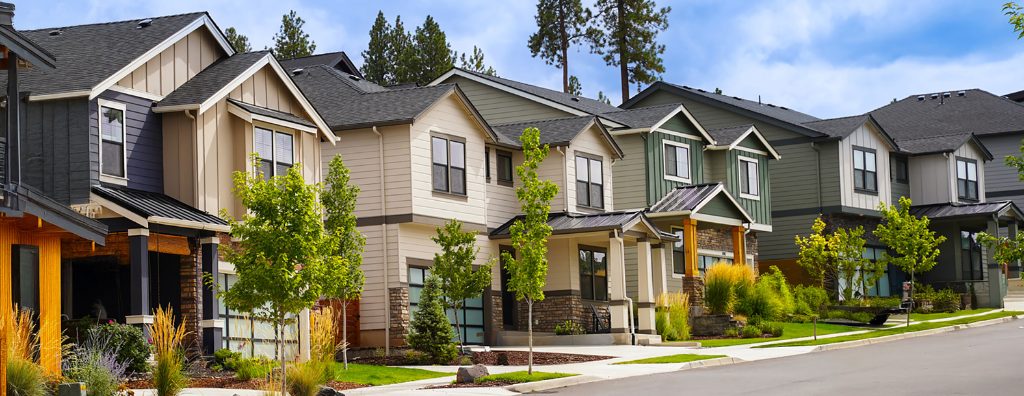
Pros and Cons of Buying New Construction

For many buyers, there’s something exciting about being the first person to live in a home. New construction offers modern layouts, updated finishes, and the opportunity to start fresh without taking on someone else’s renovation projects. While buying a newly built home has plenty of advantages, it also comes with a few tradeoffs that are worth considering before you make an offer.

Whether you’re comparing a brand-new home to an existing property or simply exploring your options, understanding the benefits and potential drawbacks can help you make a more informed decision.

The Benefits of Buying New Construction

One of the biggest reasons buyers choose new construction is that everything is designed with today’s lifestyle in mind. Many newly built homes feature open-concept floor plans, spacious kitchens, dedicated home office space, walk-in closets, and flexible living areas that can easily adapt as your needs change.

Because every component of the home is brand new, maintenance costs are often lower during the first several years of ownership. Instead of budgeting for the replacement of an aging roof, outdated plumbing, or an older furnace, many homeowners can spend more time enjoying their new space and less time worrying about repairs.

New homes are also generally more energy efficient than older properties. Modern insulation, high-performance windows, efficient HVAC systems, ENERGY STAR® appliances, smart thermostats, and other connected home technology can reduce utility costs while adding everyday convenience through features like smart locks, video doorbells, and integrated security systems.

Many builders also include warranties covering workmanship, major systems, and structural components for a specified period after closing, providing added peace of mind in case issues arise after you move in. And if you’re purchasing before construction is complete, you may have the opportunity to personalize finishes such as flooring, cabinetry, countertops, paint colors, and lighting to better reflect your style.

Perhaps one of the most appealing benefits is that a new home is truly move-in ready. Everything is clean, unused, and built to current building codes and standards, meaning you likely won’t need to plan for immediate renovations or major updates after closing.

Potential Drawbacks of Buying New Construction

One of the biggest considerations is cost. New homes often carry a higher purchase price than comparable resale homes, and the advertised base price doesn’t always include everything you see in the model home (if located within a new construction development). Premium flooring, upgraded cabinetry, designer lighting, landscaping, appliances, and lot premiums can quickly increase the final purchase price.

Timing can also be a factor. If the home hasn’t been completed yet, construction schedules may change due to weather, labor shortages, permitting delays, or supply chain delays. Buyers who need to move on a specific timeline may find that an existing home offers more certainty.

When buying in a new community, there are some additional factors to consider. While the homes themselves may be complete, neighborhoods can take years to fully mature. Landscaping is still growing, trees are often smaller, construction may continue nearby, and community amenities such as parks, clubhouses, or walking trails may still be under development. Lot sizes are another consideration. Many newer developments maximize land use by placing homes closer together than older neighborhoods, which can mean smaller yards and less outdoor space.

When it comes to negotiating, builders typically have less flexibility on the purchase price of the home than individual sellers do. Instead of reducing the asking price, they may offer incentives such as closing cost assistance, financing promotions, appliance packages, or design upgrades.

Finally, many new developments include homeowners’ associations (HOAs). In addition to monthly dues, HOAs may establish guidelines for landscaping, exterior paint colors, parking, fencing, and other aspects of the property. Understanding those rules before purchasing can help ensure the community is a good fit for your lifestyle.

Is Buying New Construction Right for You?

There’s no one-size-fits-all answer. The right choice ultimately depends on your priorities, budget, and long-term goals.

New construction may be an excellent option if you’re looking for a move-in-ready home with modern features, lower maintenance requirements, improved energy efficiency, and the opportunity to personalize finishes before moving in. It can be especially appealing if you plan to stay in the home for several years and want the convenience of starting fresh.

On the other hand, an existing home may be a better fit if you value mature neighborhoods, larger lots, distinctive architectural character, or greater flexibility when negotiating price. Resale homes can also offer advantages for buyers who need to move quickly or have a more limited budget.

When Is a Home Seller Paid? Understanding the Closing Process

A successful home sale doesn’t end with an accepted offer. Behind every closing is a carefully coordinated process involving escrow, title, lenders, and legal documentation—all working together to ensure ownership is transferred securely and funds are distributed correctly. Knowing what happens during the final stretch can help you approach closing day with confidence.

So, When Does a Home Seller Get Paid?

The short answer: after the transaction has officially closed and ownership has transferred to the buyer. While the exact timing can vary slightly depending on where you’re selling, most sellers receive their proceeds once all closing requirements have been completed and the sale has been recorded.

Here’s what happens between accepting an offer and receiving your funds.

Step 1: Accept an Offer

Once you and the buyer sign a purchase agreement, you’re officially under contract. The buyer will typically submit earnest money, which is held in escrow while the transaction moves forward.

Although the sale is underway, you won’t receive your proceeds at this point. There are still several important steps before closing day.

Step 2: The Transaction Moved Through Escrow

Escrow acts as a neutral third party that helps coordinate the transaction from contract to closing. During this time, the buyer may complete inspections, secure financing, satisfy contingencies, and work with their lender to finalize the loan.

At the same time, the title company verifies that the property’s ownership can be transferred without any outstanding legal issues, while escrow prepares the documents and financial details needed for closing.

Step 3: Closing Documents Are Signed

As closing day approaches, both the buyer and seller sign the documents needed to complete the transaction. For sellers, this generally includes signing the deed and paperwork required to transfer ownership. Buyers will sign their loan documents and finalize financing with their lender.

While signing is an exciting milestone, it doesn’t always mean you’ll receive your proceeds immediately. One final step still needs to happen before the transaction is officially complete.

Step 4: The Sale is Recorded

After all documents have been signed and the buyer’s funds have been received, the sale is recorded with the appropriate local government office. Recording is the legal transfer of ownership from the seller to the buyer.

Once recording is complete, the transaction is officially closed, and escrow can distribute the funds.

Wet Closings vs. Dry Closings

Depending on where you’re buying or selling, you may hear the terms wet closing and dry closing. The difference comes down to when the buyer’s loan is funded and when the seller receives their proceeds.

In a wet closing, all documents are signed, and the buyer’s loan is funded before the transaction officially closes. Once the sale is recorded, the seller’s proceeds are typically released shortly afterward, often on the same day.

In a dry closing, the closing documents may be signed first, but the buyer’s loan funding or final document review happens afterward. Because of this, there may be a delay of one to three business days before funds are released, and the buyer receives the keys. While it may extend the timeline slightly, a dry closing provides lenders with additional time to review documents, verify funding, and resolve any last-minute issues before the transaction is finalized.

Dry closings commonly occur because of lender funding timelines, pending document review, or regional real estate laws. The states that practice dry closings include Alaska, Arizona, California, Hawaii, Idaho, Nevada, New Mexico, Oregon, and Washington.

Whether your transaction is wet or dry closing depends on local regulations, lender requirements, and customary practices. Your real estate agent and escrow officer can help you understand what to expect.

How Do Sellers Receive Their Money?

Once the transaction has closed, sellers generally receive their proceeds through a wire transfer directly to a bank account or with a cashier’s check.

Before the funds are distributed, escrow also pays off any remaining mortgage balance, along with commissions, taxes, agreed-upon credits, and other closing costs. The remaining balance is your net proceeds.

How Long Does It Take to Get Paid?

In many transactions, sellers receive their proceeds on the same day the sale is recorded. However, the exact timing can vary depending on the escrow company, county recording schedule, and your financial institution.

If your proceeds are sent by wire transfer, they may arrive later that day, or in some cases, on the next business day.

The Bottom Line

While accepting an offer is an exciting milestone, it’s only one step in the home selling process. The transaction isn’t officially complete until the necessary documents have been signed, the sale has been recorded, and escrow has distributed the funds.

What is a Buyer’s Market?

Much can be determined about the conditions of a local real estate market by examining supply and demand. When the supply of available homes exceeds buyer demand, it’s known as a buyer’s market. Reduced listing prices, longer days on market, and an increase in price reductions are all common signs of a buyer’s market.

While market conditions can vary widely by region, neighborhood, or price point, understanding how a buyer’s market works can help you navigate your home search when opportunities arise.

What is a Buyer’s Market?

A buyer’s market creates favorable conditions for those looking to purchase a home. With more homes available than active buyers, sellers often face increased competition for attention. This gives buyers more options and, in many cases, greater flexibility throughout the home buying process.

In a buyer’s market, inventory levels tend to be higher, allowing buyers to take more time to compare homes and identify the right fit. Properties often remain on the market longer, and sellers may be more willing to adjust pricing or offer concessions to attract qualified buyers.

It’s important to remember that real estate markets are local. Even when broader market conditions favor buyers, some neighborhoods or property types may remain highly competitive.

To better understand what’s happening in your area, connect with a Windermere agent for insight into local inventory, pricing trends, and market activity.

How to Approach a Buyer’s Market

While a buyer’s market can create advantages, having a clear strategy remains important. Buyers often can be more selective, carefully comparing homes and evaluating their options without the urgency that typically accompanies a seller’s market.

A buyer’s market can also create favorable conditions for negotiations. With fewer active buyers competing for homes, sellers may be more willing to negotiate on price, closing costs, repairs, or other terms. This is one reason why working with a buyer’s agent can be especially valuable. An experienced agent can help identify opportunities, navigate negotiations, and guide you through each stage of the buying process.

If you’re selling your current home while searching for your next one, you may have a better chance of including a home-sale contingency in your offer. While contingent offers are often challenging to secure in highly competitive markets, sellers may be more receptive when buyer demand is lower. When structured properly, a contingency can provide added flexibility by allowing you to complete the sale of your current home before moving forward with a purchase.

Homes that have been on the market for an extended period can also present opportunities. Longer listing times may indicate that sellers are more open to negotiating. However, buyers should still work closely with their agent to evaluate the home’s value and develop a competitive offer strategy.

In many buyer’s markets, sellers take extra steps to make their homes stand out. This can include completing repairs, making updates, improving curb appeal, or offering incentives to attract buyers. As a result, buyers may have additional leverage when negotiating repairs or requesting concessions during the inspection process.

Even in a buyer’s market, preparation remains key. Having your financing in order, understanding your budget, and working with a knowledgeable real estate professional can help you act confidently when you find the right home.

Home Appraisals Explained: What Sellers Should Expect

If you’re selling your home, there’s a good chance you’ll hear the word appraisal shortly after accepting an offer. While it may feel like just another step in the transaction, a home appraisal plays an important role in many home sales, especially when a buyer is financing their purchase with a mortgage.

For many sellers, the appraisal process can feel daunting and mysterious. Who orders it? What does the appraiser actually look at? And what happens if the home appraises for less than the agreed-upon purchase price?

Understanding what happens during a home appraisal can help you prepare your home, set realistic expectations, and navigate the process with confidence. Here’s what every seller should know.

What Is a Home Appraisal?

A home appraisal is an independent evaluation of a home’s current market value conducted by a licensed appraiser. In most financed home purchases, lenders require an appraisal before approving the buyer’s loan to verify that the property’s value aligns with the amount they’re lending.

Although the buyers generally pay for the appraisal as part of their closing costs, the appraiser’s responsibility is to the lender. Their job is to provide an objective opinion of the home’s value by evaluating the property itself and comparing it to similar homes that have recently sold nearby.

When Does the Appraisal Happen?

Once a seller accepts an offer and the purchase agreement is signed, the buyer’s lender will usually order the appraisal early in the transaction. The timing can vary, but it typically occurs within the first few weeks of escrow.

The appraiser will coordinate a time to visit the property. While sellers don’t necessarily need to be present during the appointment, someone will need to provide access to the home. After the inspection, it may take several days for the completed appraisal report to be delivered to the lender.

What Does an Appraiser Look For?

During the visit, the appraiser evaluates both the home’s condition and the features that contribute to its market value. They also consider recent sales of comparable homes in the area, often called “comps”, to help determine how your home compares to similar properties in the current market.

They’ll typically examine:

  • Overall size and layout
  • Number of bedrooms and bathrooms
  • Interior and exterior condition
  • Quality of construction finishes
  • Major systems such as the roof, HVAC, plumbing, and electrical
  • Recent renovations or improvements
  • Lost size and usable outdoor space
  • Garage, parking, or additional structures
  • Energy-efficient features or notable upgrades

The appraiser also takes photographs and measurements of the property to include in the final report. It’s important to remember that an appraisal isn’t the same as a home inspection. While inspectors look for potential defects or maintenance issues, appraisers focus primarily on determining the home’s market value based on its quality and features.

Can Sellers Prepare for an Appraisal?

While sellers can’t control the final valuation, they can take several steps to present the home in its best light.

  • Complete small repairs
  • Finish ongoing projects
  • Improve curb appeal
  • Clean and declutter
  • Create a list of improvements

What Happens If the Appraisal Comes in Low?

If the appraised value meets or exceeds the purchase price, the transaction typically moves forward as planned. The buyer’s lender now has confirmation that the property’s value supports the loan amount, allowing financing to continue toward closing.

A low appraisal doesn’t automatically mean the sale is over, but it may require additional conversations between the buyer and seller. Some possible outcomes include:

  • The buyer covers the difference
  • The seller reduces the price
  • Both parties negotiate
  • The buyer challenges the appraisal
  • The transaction doesn’t move forward

While a low appraisal can feel discouraging, an experienced agent can help you understand the results, explain your options, and work with all parties to determine the best path forward.

Mortgage Types 101: Understanding Your Home Loan Options

Buying a home comes with plenty of exciting milestones like touring properties, envisioning your future space, and making an offer. But before you get the keys, there’s one piece of the process that often feels the most intimidating: financing.

From fixed-rate loans and adjustable-rate mortgages to FHA and VA programs, today’s buyers have more financing options than ever before. Understanding the basics can help you feel more confident when it’s time to talk with a lender and determine what loan best aligns with your goals.

Whether you’re preparing to buy your first home or simply looking to refresh your knowledge, consider this your guide to mortgage basics.

What Is a Mortgage?

A mortgage is a loan used to purchase a home. Instead of paying the entire price of the property at once, homebuyers typically finance the purchase through a lender and make payments over time. Those payments typically principal and interest on the loan, property taxes, homeowners’ insurance, and, in some cases, mortgage insurance. The home serves as security for the loan until the borrower fully repays it.

Why Mortgage Choice Matters

Not all mortgages are created equal. The type of loan you choose can affect everything from your monthly payment and interest rate to your required down payment and long-term borrowing costs. Some loan programs may offer lower upfront costs, while others provide greater payment stability or flexibility down the road. That’s why working with both a trusted lender and a knowledgeable real estate professional can help ensure that you’re evaluating options that fit your financial picture—not just today, but years down the road.

Fixed-Rate vs. Adjustable-Rate Mortgages

One of the first decisions many buyers face is whether they prefer a fixed or adjustable interest rate. Let’s break them down.

Fixed-Rate Mortgage

Fixed-rate mortgages offer long-term consistency because the interest rate stays locked in for the duration of the loan, resulting in more stable monthly payments. This predictability makes fixed-rate loans especially appealing for buyers who plan to stay in their home for many years or simply prefer the peace of mind that comes with stable monthly housing costs. While fixed-rate mortgages can carry slightly higher initial rates than some adjustable-rate options, they offer protection against future rate increases and make long-term budgeting much easier.

Adjustable-Rate Mortgage (ARM)

An adjustable-rate mortgage starts with a fixed interest rate for a set period, then transitions to a variable rate that can change with market conditions. You may see ARMs described as 5/1, 7/1, or 10/1 loans, with the first number representing the length of the introductory fixed-rate period and the second indicating how often the rate can adjust afterward. Because ARMs often begin with lower interest rates than fixed-rate mortgages, they can provide lower initial monthly payments. However, buyers should be aware that payments may increase if interest rates rise. For homeowners who anticipate moving, selling, or refinancing before the adjustment period begins, an ARM may be worth considering.

Understanding the Most Common Loan Programs

Beyond choosing between a fixed-rate and an adjustable-rate mortgage, buyers can select from several loan programs based on their financial situation, credit history, and homeownership goals. While a lender can help determine which option is best for you, understanding the basics can make conversations about financing feel much less overwhelming.

Conventional Loans

Conventional loans are one of the most common mortgage options and are typically provided by private lenders, including banks, credit unions, and mortgage companies. They are often a strong choice for buyers with solid credit, stable income, and funds available for a down payment. While some conventional loan programs allow down payments below 20%, borrowers may be required to pay private mortgage insurance (PMI) until they build enough equity in the home.

FHA Loans

Backed by the Federal Housing Administration, FHA loans help make homeownership more accessible for qualified buyers. Because they offer lower down payment options and more flexible credit requirements, these loans are a popular choice among many first-time homebuyers. Borrowers should keep in mind that mortgage insurance is typically required for the loan.

VA Loans

VA loans are available to eligible military service members, veterans, and certain surviving spouses. One of the program’s biggest advantages is that qualified borrowers can purchase a home with no down payment. VA loans also typically offer competitive interest rates and do not require private mortgage insurance.

USDA Loans

USDA loans are intended for eligible buyers purchasing homes in designated rural and suburban communities. Qualified borrowers may be able to purchase a home with no down payment and favorable financing terms, though income and location requirements apply.

Jumbo Loans

Jumbo loans are used when a home’s purchase price exceeds the loan limits established for conventional mortgages. These loans are often common in higher-cost real estate markets and may require stronger credit qualifications, larger down payments, and additional financial documentation during the approval process.

Choosing a Loan Term

In addition to selecting a loan type, buyers will also choose a loan term. The most common options are 15-year and 30-year mortgages. A 30-year mortgage often comes with lower monthly payments because the loan is repaid over a longer period, while a 15-year mortgage can offer lower interest rates and help homeowners build equity more quickly. Although monthly payments on a shorter-term loan are often higher, borrowers typically pay significantly less interest over the life of the loan.

Which Mortgage Is Right for You?

The best mortgage isn’t necessarily the one with the lowest rate—it’s the one that aligns with your budget, financial goals, and long-term plans. Factors such as your down payment, credit profile, anticipated homeownership lenght, and monthly budget can all influence which loan type makes the most sense. A trusted lender can help you compare options and understand how each program may impact your monthly payment and overall cost of homeownership.

How Much House Can You Afford?

While online calculators can provide a starting point, affordability involves more than a monthly mortgage payment. Buyers should consider existing debt obligations, emergency savings goals, everyday living expenses, future financial plans, property taxes, insurance costs, and ongoing home maintenance. Understanding the full picture can help ensure your home purchase supports your lifestyle rather than stretching your budget too thin.

Mortgage Terms Every Buyer Should Know

Conversations about financing can feel like a completely different language. Here’s a quick cheat sheet for some of the most common mortgage terms:

Amortization

The process of gradually paying off a loan through scheduled payments over time.

APR (Annual Percentage Rate)

A broader measure of borrowing cost that includes interest and certain lender fees.

Closing Costs

Expenses associated with finalizing a home purchase, often include lender fees, title services, escrow fees, and other transaction-related costs.

Down Payment

The portion of a home’s purchase price paid by the buyer upfront.

Escrow

An account used to hold funds for property taxes, homeowners’ insurance, and other transaction-related expenses.

Mortgage Insurance

Insurance that protects the lender if a borrower defaults on the loan. It may be required for certain loan types or lower down payment programs.

Preapproval

A lender’s preliminary review of your finances that estimates how much you may qualify to borrow.

Principal

The original amount borrowed before interest is applied.

The Bottom Line

Choosing a mortgage isn’t about finding a universally “best” loan—it’s about finding the option that best supports your financial goals, timeline, and homeownership plans.

The good news? You don’t have to navigate the process alone.

Moving Checklist: A Step-by-Step Guide to the Moving Process

Moving is an exciting milestone, but it also comes with a long list of tasks and deadlines to manage, especially if you’re buying and selling a home at the same time. Whether you’re moving across town or across the country, staying organized can help make the process significantly less stressful.

From hiring movers and transferring utilities to packing essentials and settling into your new home, this step-by-step moving checklist will keep your move on track from start to finish.

A Step-By-Step Guide to the Moving Process

We’ve included a comprehensive checklist below of all the steps you’ll need to complete to ensure a smooth, successful move. This list is also available as an interactive web page and downloadable PDF here: Moving Checklist

Twelve Weeks Before:

  • Get estimates from professional movers or truck rental companies if needed.
  • Once you’ve selected a mover, discuss insurance, packing, loading and delivery, and the claims procedure.

Six to Eight Weeks Before:

  • Use up things that may be difficult to move, such as frozen food.
  • Sort through your possessions. Decide what you want to keep, what you want to sell, and what you wish to donate to charity.
  • Record serial numbers on electronic equipment, take photos (or video) of all your belongings and create an inventory list.
  • If you are moving yourself, use your inventory list to determine how many boxes you will need. Stock up on the items you’ll need from our “Moving Essentials” list.
  • Submit a change of address request through the USPS and update your address with banks, employers, insurance providers, subscription services, and other important accounts.
  • If you believe your move may qualify for tax-related benefits or deductions, consult a qualified tax professional.
  • If you’re moving to a new community, contact the Chamber of Commerce and school district and request information about services.
  • Make reservations with airlines, hotels, and car rental agencies, if needed.
  • Begin packing nonessential items.

Two to Four Weeks Before:

  • Arrange for storage, if needed.
  • If you have items you don’t want to pack and move, hold a yard sale.
  • Update the address listed on your car registration, license, and insurance.
  • Transfer your bank accounts and safe-deposit box items to new branch locations if needed. Cancel or redirect any direct deposit or automatic payments from your accounts.
  • Make special arrangements to move your pets, including updating identification tags and microchip information, gathering veterinary records, and creating a travel plan that keeps them comfortable throughout the move.
  • Have your car checked and serviced if you’ll need to drive it a long distance.
  • Change your utilities, including phone, power, and water, from your old address to your new address.

Digital Moving Checklist:

  • Transfer internet and streaming services.
  • Update your address for online shopping accounts and subscriptions.
  • Update banking, insurance, and employer records.
  • Back up important digital files and documents before your move.

Week of Moving Day:

  • Defrost your refrigerator and freezer.
  • Have movers pack your belongings.
  • Label each box with the contents and the room where you want it to be delivered.
  • If you’re using a moving company, arrange to pay for their services in full, or the remainder of what you owe, upon delivery.
  • Set aside legal documents and valuables that you do not want packed.
  • Pack clothing and toiletries, along with extra clothes in case the moving company is delayed.
  • Give your travel itinerary to a close friend or relative so they can reach you as needed.
  • Pack a first-day box with items that you’ll want accessible before other boxes are unpacked. See our list of suggested items on the right and add any others you’ll want to include.

Moving Day: 

Old Home

  • Pick up the truck as early as possible if you are moving yourself.
  • Make a list of every item and box loaded on the truck.
  • Let the mover know how to reach you.
  • Double-check your closets, cupboards, attic, basement, yard, and garage for any left-behind items.

New Home

  • Be on hand at the new home to answer questions and give instructions to the mover.
  • Check off boxes and items as they come off the truck.
  • Install new locks.
  • Confirm that the utilities have been turned on and are ready for use.
  • Unpack your first-day box.
  • Unpack your children’s toys and find a safe place for them to play.
  • Examine your goods for damage.

FAQs About Moving: 

When Should I Start Preparing for a Move?

Most moving professionals recommend beginning preparations at least six to eight weeks before moving day.

Should I Hire Movers or Move Myself?

The right choice depends on your budget, timeline, distance, and the amount of belongings you need to transport.

What Should I Pack in a First-Day Box?

Include toiletries, medications, chargers, important documents, snacks, basic cleaning supplies, and a change of clothes.

When Should I Transfer Utilities?

Most utility transfers should be scheduled two to four weeks before moving day to help avoid service interruptions.

Did you now that Windermere is one of the few real estate companies that has it’s own in house economists?  His name is Matt Gardner and his reports are actually really enjoyable reading if you are fascinated with what is going on in the real estate like I am!  Here is the latest from him…Happy reading!


What a year it has been for both the U.S. economy and the national housing market. After several years of above-average economic and home price growth, 2018 marked the start of a slowdown in the residential real estate market. As the year comes to a close, it’s time for me to dust off my crystal ball to see what we can expect in 2019.

The U.S. Economy

Despite the turbulence that the ongoing trade wars with China are causing, I still expect the U.S. economy to have one more year of relatively solid growth before we likely enter a recession in 2020. Yes, it’s the dreaded “R” word, but before you panic, there are some things to bear in mind.

Firstly, any cyclical downturn will not be driven by housing.  Although it is almost impossible to predict exactly what will be the “straw that breaks the camel’s back”, I believe it will likely be caused by one of the following three things: an ongoing trade war, the Federal Reserve raising interest rates too quickly, or excessive corporate debt levels. That said, we still have another year of solid growth ahead of us, so I think it’s more important to focus on 2019 for now.

The U.S. Housing Market

Existing Home Sales

This paper is being written well before the year-end numbers come out, but I expect 2018 home sales will be about 3.5% lower than the prior year. Sales started to slow last spring as we breached affordability limits and more homes came on the market.  In 2019, I anticipate that home sales will rebound modestly and rise by 1.9% to a little over 5.4 million units.

Existing Home Prices

We will likely end 2018 with a median home price of about $260,000 – up 5.4% from 2017.  In 2019 I expect prices to continue rising, but at a slower rate as we move toward a more balanced housing market. I’m forecasting the median home price to increase by 4.4% as rising mortgage rates continue to act as a headwind to home price growth.

New Home Sales

In a somewhat similar manner to existing home sales, new home sales started to slow in the spring of 2018, but the overall trend has been positive since 2011. I expect that to continue in 2019 with sales increasing by 6.9% to 695,000 units – the highest level seen since 2007.

That being said, the level of new construction remains well below the long-term average. Builders continue to struggle with land, labor, and material costs, and this is an issue that is not likely to be solved in 2019. Furthermore, these constraints are forcing developers to primarily build higher-priced homes, which does little to meet the substantial demand by first-time buyers.

Mortgage Rates

In last year’s forecast, I suggested that 5% interest rates would be a 2019 story, not a 2018 story. This prediction has proven accurate with the average 30-year conforming rates measured at 4.87% in November, and highly unlikely to breach the 5% barrier before the end of the year.

In 2019, I expect interest rates to continue trending higher, but we may see periods of modest contraction or levelling.  We will likely end the year with the 30-year fixed rate at around 5.7%, which means that 6% interest rates are more apt to be a 2020 story.

I also believe that non-conforming (or jumbo) rates will remain remarkably competitive. Banks appear to be comfortable with the risk and ultimately, the return, that this product offers, so expect jumbo loan yields to track conforming loans quite closely.

Conclusions

There are still voices out there that seem to suggest the housing market is headed for calamity and that another housing bubble is forming, or in some cases, is already deflating.  In all the data that I review, I just don’t see this happening. Credit quality for new mortgage holders remains very high and the median down payment (as a percentage of home price) is at its highest level since 2004.

That is not to say that there aren’t several markets around the country that are overpriced, but just because a market is overvalued, does not mean that a bubble is in place. It simply means that forward price growth in these markets will be lower to allow income levels to rise sufficiently.

Finally, if there is a big story for 2019, I believe it will be the ongoing resurgence of first-time buyers. While these buyers face challenges regarding student debt and the ability to save for a down payment, they are definitely on the comeback and likely to purchase more homes next year than any other buyer demographic.

Originally published on Inman News.

https://myreport.trendgraphix.com/Post2WebResponsive.aspx?Id=bdc981b5-e946-43da-b745-990667d0fcc2

<link href=”https://myreport.trendgraphix.com/css/post2webclient.css” rel=”stylesheet” type=”text/css” />
<div class=”post2webMedium-container”><iframe src=”https://myreport.trendgraphix.com/Post2WebResponsive.aspx?Id=a9ffc0f0-8c1b-4762-a342-678d05b9d962″ width=”850″ height=”700″ frameborder=”0″ scrolling=”no” style=”border-width: 0″></iframe></div>